How to Reduce RTO in Shopify Stores: 10 Proven Strategies
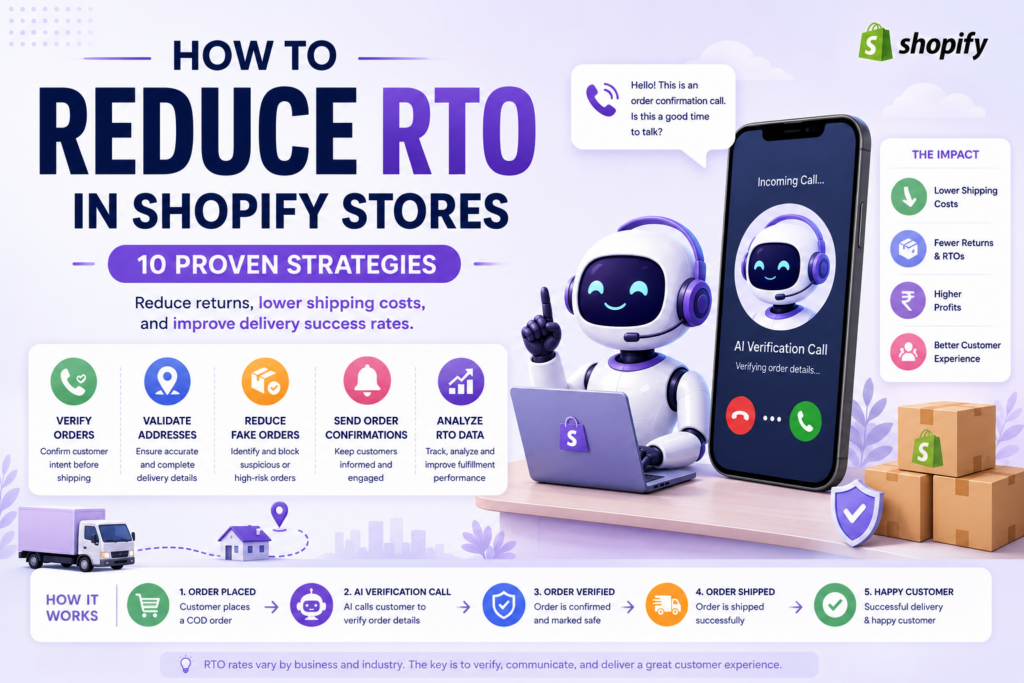
How to Reduce RTO in Shopify Stores: 10 Proven Strategies
Return-to-Origin (RTO) is one of the biggest hidden costs for Shopify stores that offer Cash on Delivery (COD). High RTO rates can significantly impact profitability by increasing shipping expenses, tying up inventory, and creating additional operational work.
If you’ve already read our guides on How to Stop Fake COD Orders, How Much Do Fake COD Orders Really Cost Your Shopify Store?, and Best COD Verification Tools for Shopify Stores, you’ll know that preventing failed deliveries starts long before an order is shipped.
In this guide, we’ll explore 10 proven strategies to reduce RTO in Shopify stores and improve overall business profitability.
What Is RTO?
RTO (Return-to-Origin) occurs when a shipment cannot be delivered and is returned to the seller.
Common reasons include:
- Customer refused delivery
- Incorrect delivery address
- Unreachable customer
- Fake orders
- Delivery delays
- Customer unavailable at delivery
Every RTO shipment creates additional costs for the merchant.
Why High RTO Rates Hurt Shopify Stores
Many merchants underestimate the true cost of RTO.
A single failed COD order can result in:
- Forward shipping charges
- Return shipping charges
- Packaging costs
- Operational expenses
- Inventory delays
Over time, even a moderate RTO rate can consume a significant portion of profit margins.
1. Verify Every COD Order Before Shipping
One of the most effective ways to reduce RTO is to verify customer intent before fulfillment.
Verification methods include:
- Phone calls
- OTP verification
- WhatsApp confirmation
- AI-powered verification calls
Confirming an order before shipping helps identify fake or suspicious purchases.
2. Use Automated Verification Calls
Manual verification becomes difficult as order volume grows.
Automated verification systems can:
- Contact customers immediately
- Confirm order details
- Verify delivery addresses
- Validate customer intent
This reduces the likelihood of refused deliveries and fake orders.
3. Validate Customer Addresses
Incomplete or inaccurate addresses are a major cause of failed deliveries.
Verify:
- Postal codes
- City and state information
- House numbers
- Landmark details
Address validation helps prevent avoidable delivery failures.
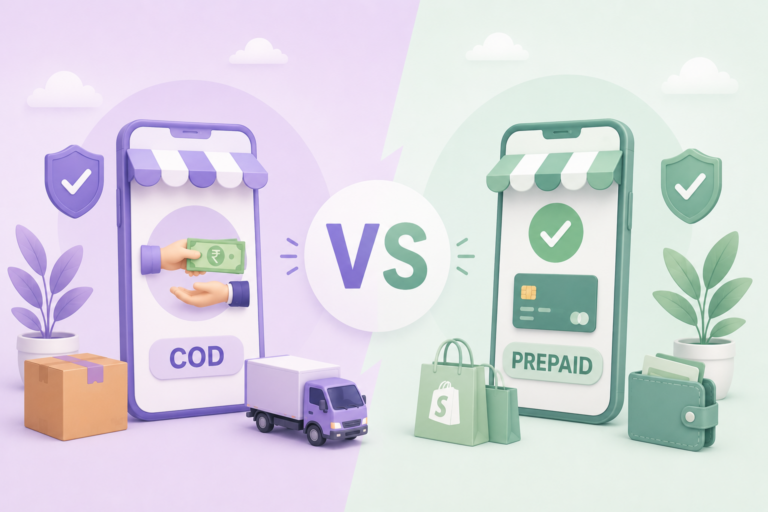
4. Encourage Prepaid Orders
Prepaid orders generally have lower return rates than COD orders.
Consider offering:
- Small discounts
- Free shipping
- Loyalty rewards
- Faster delivery options
Increasing prepaid adoption can significantly reduce RTO exposure.
5. Send Order Confirmation Messages
Customers sometimes place orders impulsively and later forget about them.
Send:
- SMS confirmations
- WhatsApp notifications
- Email confirmations
This reinforces customer commitment before shipping.
6. Track Repeat Offenders
Some customers repeatedly refuse deliveries or place fraudulent orders.
Maintain records of:
- Frequent refusals
- Previous RTO history
- Suspicious order patterns
For high-risk customers, consider requiring prepaid payment.
7. Verify High-Value Orders Separately
High-value COD orders carry greater financial risk.
For expensive purchases:
- Conduct additional verification
- Confirm delivery details manually
- Verify customer availability
A few extra minutes can prevent substantial losses.
8. Improve Delivery Communication
Customers are more likely to accept deliveries when communication is clear.
Keep them informed about:
- Order status
- Shipping updates
- Estimated delivery dates
Proactive communication reduces delivery failures.
9. Analyze RTO Trends Monthly
Many businesses fail to identify recurring issues because they don’t review their data.
Track:
- RTO percentage
- Refusal rates
- Failed delivery reasons
- Verification success rates
Data-driven decisions help improve fulfillment performance over time.
10. Use AI-Powered Order Verification
Modern AI systems can automatically verify customer intent before fulfillment.
Benefits include:
- Faster verification
- Consistent customer experience
- Reduced manual workload
- Improved order quality
- Lower RTO rates
As order volumes grow, automation becomes increasingly valuable.
Common Causes of High RTO Rates
If your store experiences frequent returns, one or more of these issues may be contributing:
Fake Orders
Orders placed with no intention of accepting delivery.
Incorrect Contact Information
Customers cannot be reached to confirm details.
Incomplete Addresses
Packages cannot be delivered successfully.
Customer Refusal
Customers change their minds after placing orders.
Poor Communication
Customers are unaware of delivery schedules.
Understanding the root cause is the first step toward reducing RTO.
How Jaxl Business Phone Helps Reduce RTO
Many Shopify merchants lose valuable time manually calling customers to confirm orders.
Jaxl Business Phone helps automate customer verification using AI-powered phone calls.
The system can:
- Verify customer intent
- Confirm delivery addresses
- Validate phone numbers
- Identify suspicious orders
- Reduce fake COD orders
- Lower Return-to-Origin rates
By verifying customers before shipping, businesses can reduce unnecessary logistics expenses and improve operational efficiency.
Additional Resources
To learn more about reducing failed deliveries and improving COD performance, check out:
- How to Stop Fake COD Orders
- How Much Do Fake COD Orders Really Cost Your Shopify Store?
- Manual vs Automated COD Verification
- Best COD Verification Tools for Shopify Stores
Frequently Asked Questions
What is a good RTO rate for Shopify stores?
While benchmarks vary by industry, lower RTO rates generally indicate healthier order quality and better customer verification processes.
How can I reduce RTO on COD orders?
Order verification, address validation, customer communication, and prepaid incentives are among the most effective strategies.
Does COD increase RTO rates?
In many cases, yes. COD orders often experience higher refusal rates than prepaid orders.
Can AI help reduce RTO?
Yes. AI-powered verification systems can confirm customer intent before fulfillment and identify potentially risky orders.
What causes most RTO shipments?
Common causes include fake orders, incorrect addresses, unreachable customers, and delivery refusals.
Conclusion
Reducing RTO is one of the most impactful ways to improve profitability in a Shopify store.
By verifying orders, improving customer communication, validating addresses, and using automation where appropriate, merchants can significantly reduce failed deliveries and associated costs.
Even small improvements in RTO rates can translate into meaningful savings over time.
Want to Reduce RTO Automatically?
Jaxl Business Phone helps Shopify merchants verify orders using AI-powered phone calls before shipment.
✅ Confirm customer intent
✅ Verify delivery details
✅ Reduce fake orders
✅ Lower RTO rates
✅ Scale verification without additional staff



Nice read.. explores a lot of areas I was unaware like revenue leakage in D2C space, a real eye-opener.